
Child Protection Program
Safeguarding the rights, dignity, and wellbeing of children and youth in vulnerable situations.
Safeguarding the rights, dignity, and wellbeing of children and youth in vulnerable situations.
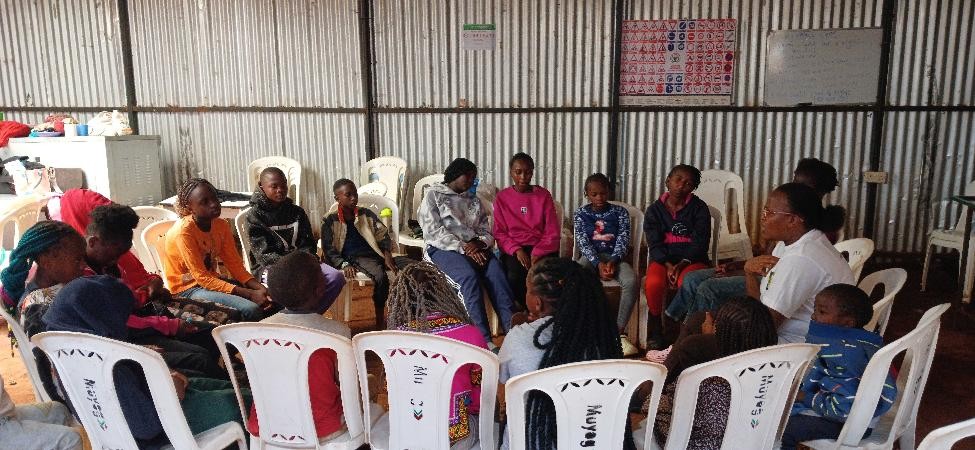
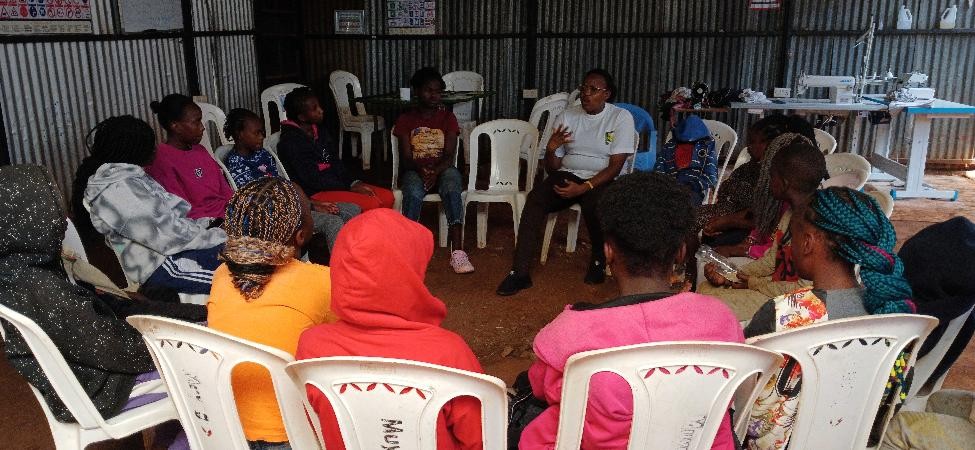
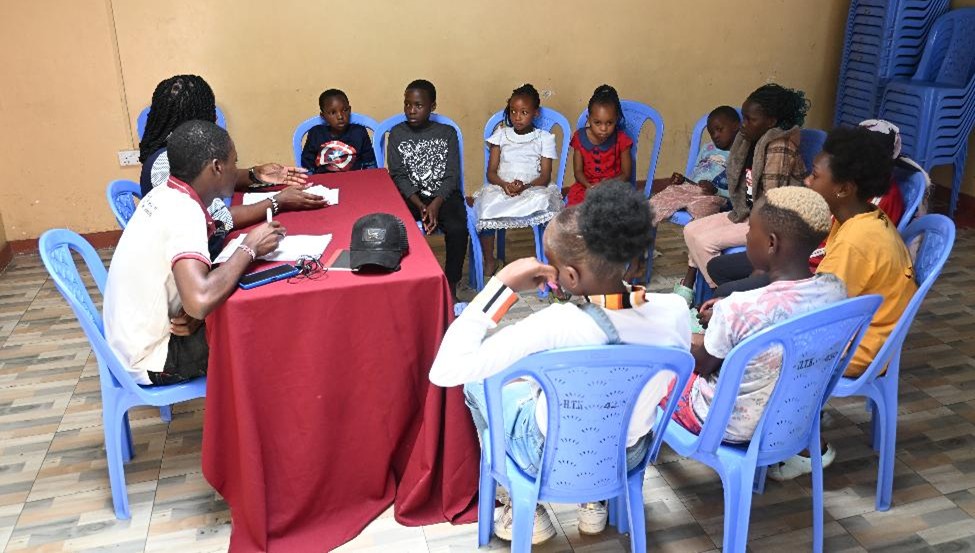
Pendekezo Letu’s Child Protection Program is designed to safeguard the rights, dignity, and wellbeing of children and youth in vulnerable situations, particularly those living and working on the streets.
The program ensures that children access protection, care, justice, and opportunities for holistic development, while working to break the cycle of poverty, vulnerability, and exclusion that drives children into unsafe environments.
The overall goal of Pendekezo Letu’s Child Protection Program is to safeguard the rights, dignity, and wellbeing of children and youth in vulnerable situations by ensuring access to protection, care, justice and opportunities for holistic development.
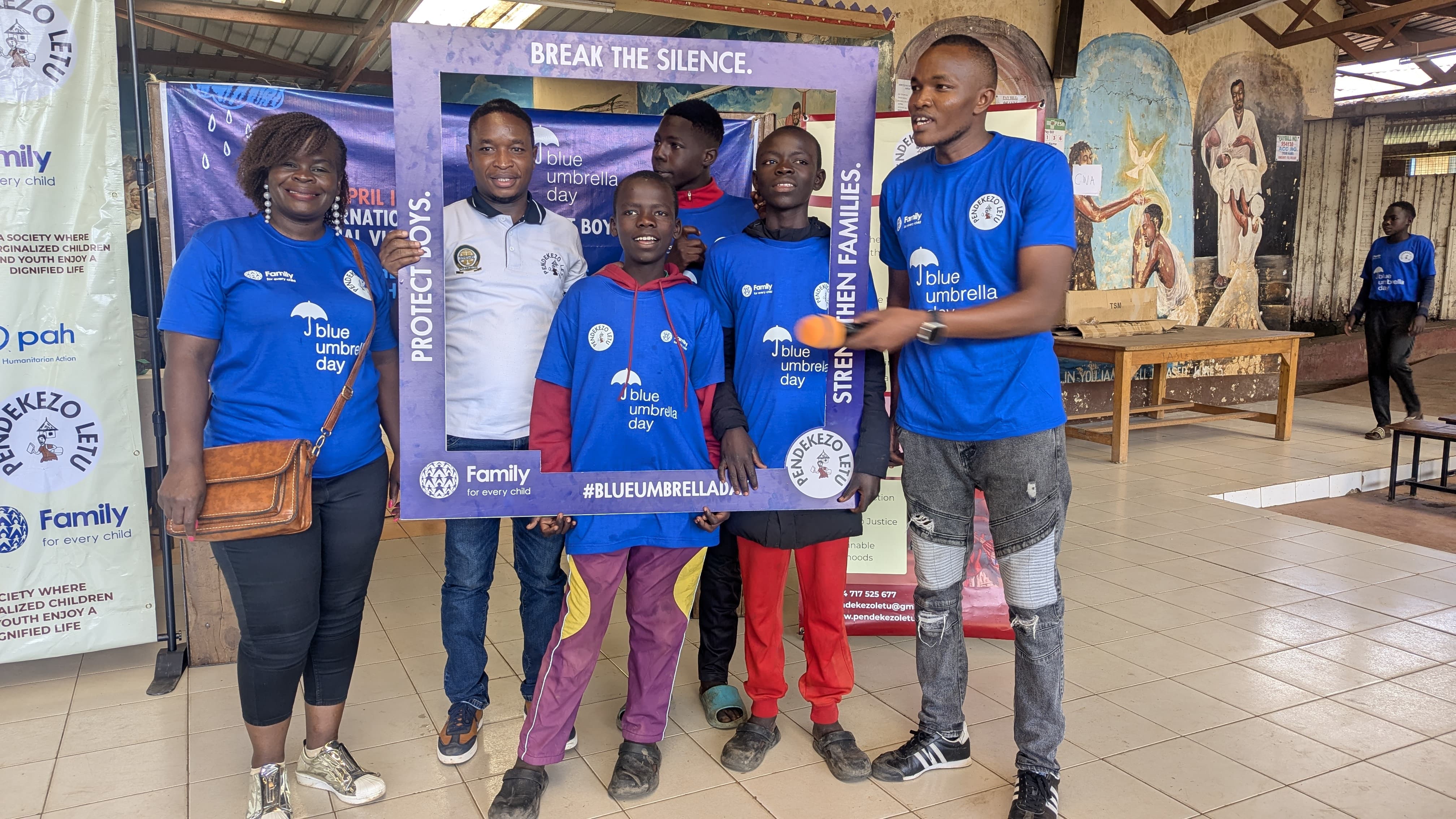
Pendekezo Letu’s Child Protection Program is a holistic, rights-based and community-driven intervention that addresses interconnected vulnerabilities affecting children, especially those in informal settlements and street situations across Kenya.
The program recognizes that child protection cannot be addressed in isolation. It integrates prevention, protection, rehabilitation, and reintegration through:
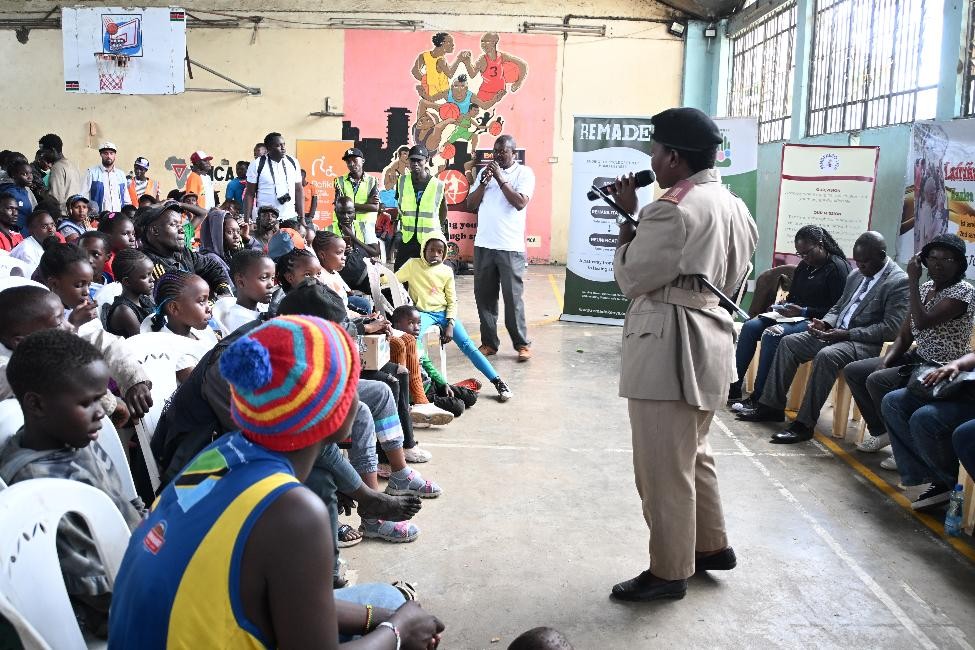
This systems-based approach involves collaboration with families, community members, schools, government agencies (including the State Department for Children Services), and civil society partners.
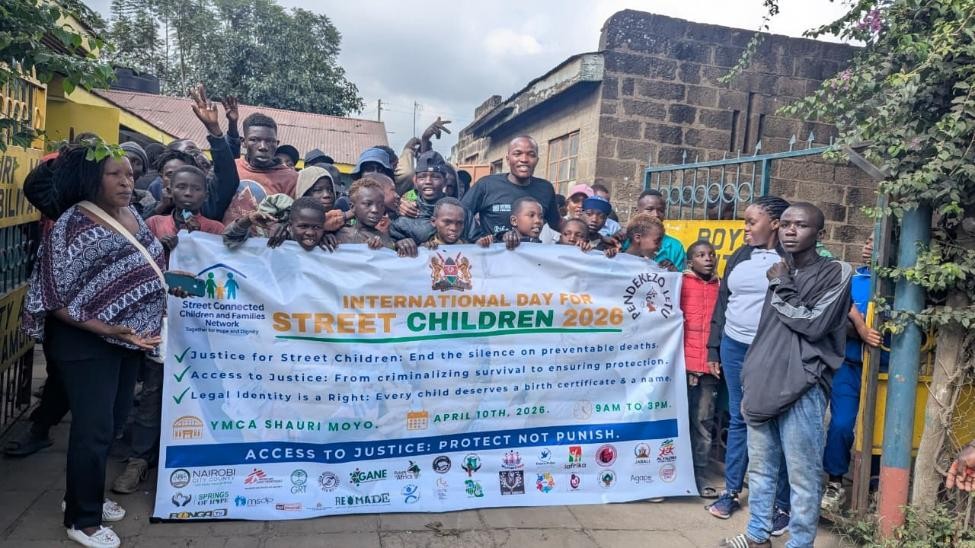
A central focus of the program is children in street situations—one of the most invisible and underserved populations, who often lack access to formal protection systems.
The program is grounded in a child rights framework, emphasizing children’s entitlements to:
Pendekezo Letu also engages in policy advocacy at national and global levels, including participation in the Universal Periodic Review (UPR), to strengthen accountability and child protection systems.
Through these efforts, Pendekezo Letu contributes to stronger, more responsive child protection systems rooted in local ownership.
Regular outreach to street bases, identification of children in street situations, immediate support, referrals and trust-building to facilitate exit from street life.
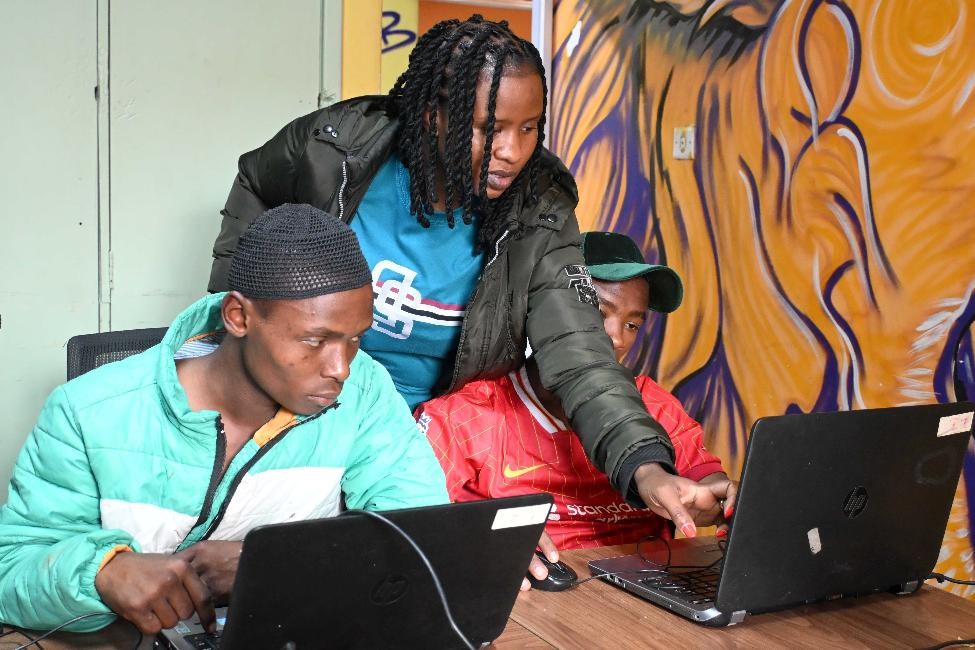
Reintegration of children into formal education systems and provision of life skills support to build resilience and independence.
Capacity building for schools, community leaders and government departments while strengthening coordination across protection systems.
Development of safeguarding policies, child protection training and promotion of safe reintegration and care practices.
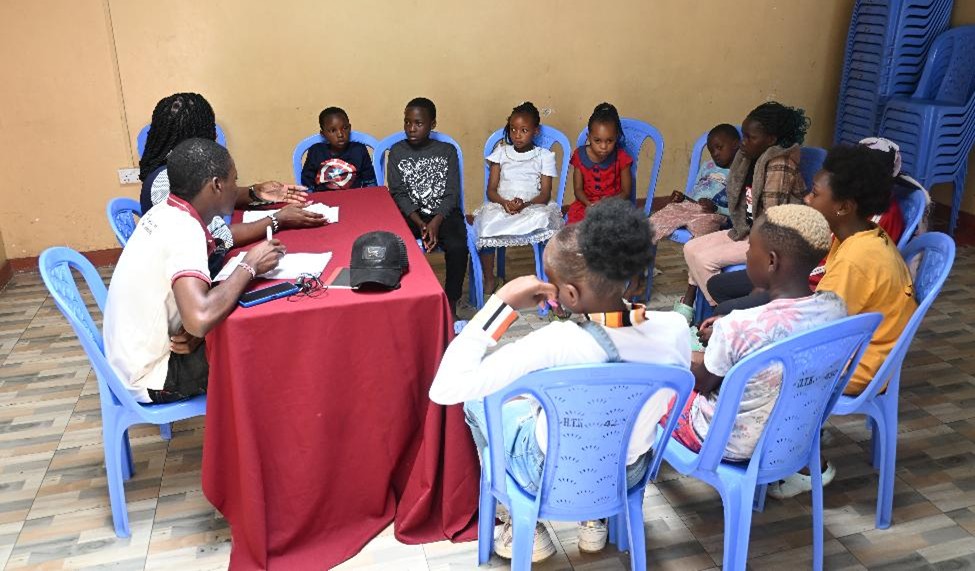
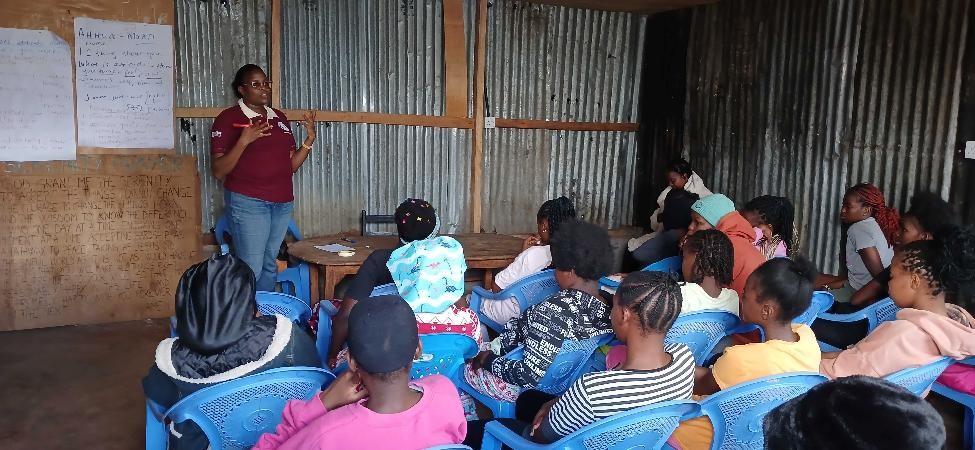
Counseling, mental health support, child rights clubs and safe spaces that promote healing, dialogue and peer support.
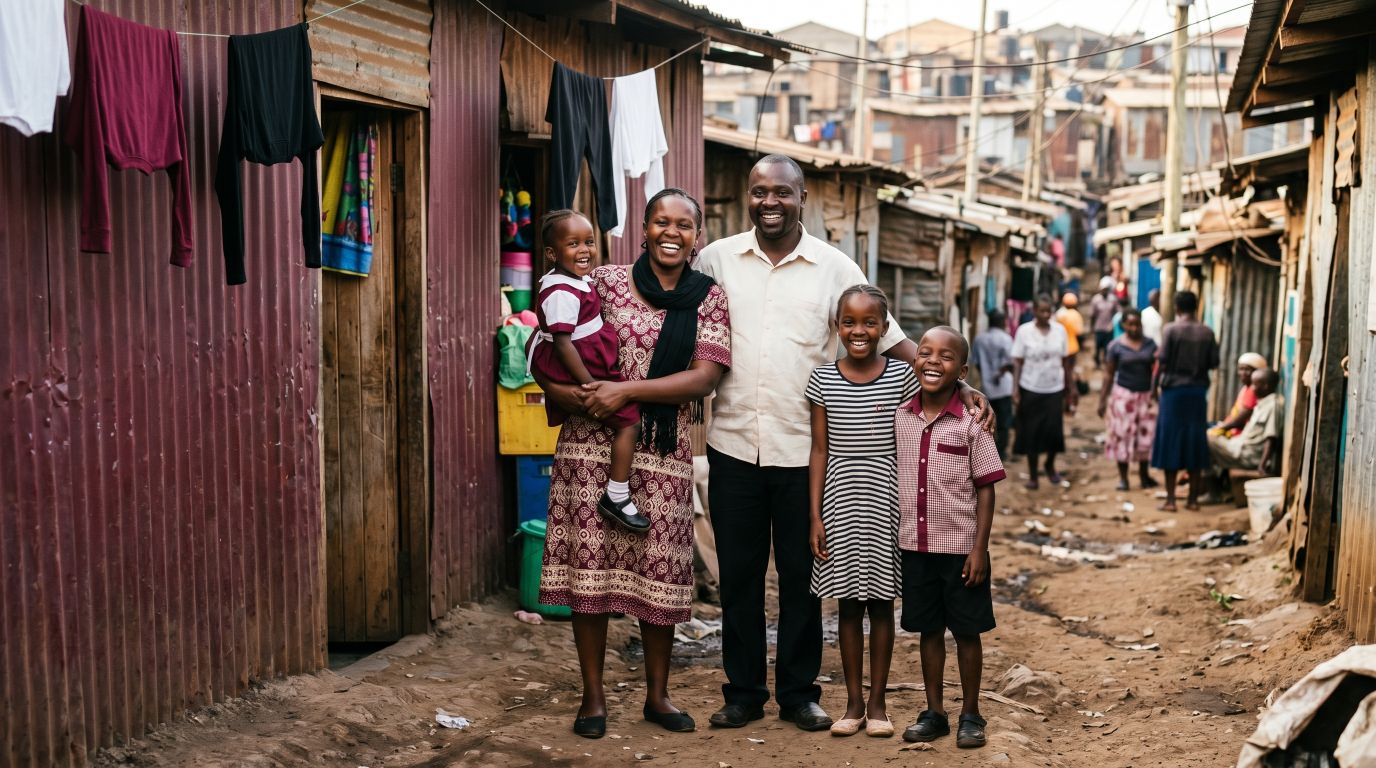
Family tracing, reunification and positive parenting support to strengthen caregiving skills, promote healthy family relationships and ensure sustainable reintegration.
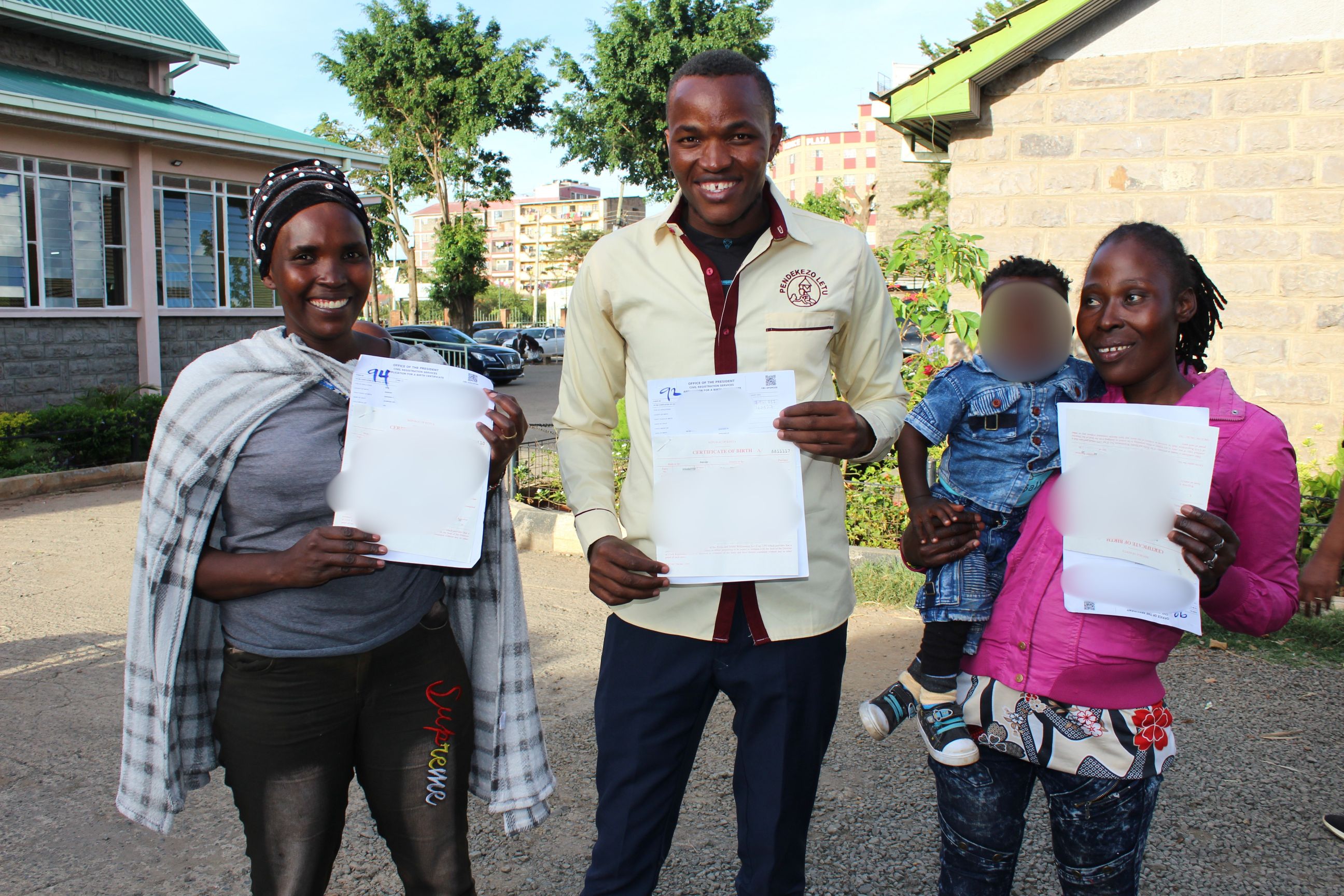
Facilitation of birth registration and legal identity documents to improve access to education, healthcare, social protection and justice.
Provision of age-appropriate SRHR information, support for vulnerable adolescents and linkages to youth-friendly health services and community awareness initiatives.